
茜茜公主
China proceeds legislation against cross-border corruption, closing legal gap in overseas probe, fugitive hunt and asset recovery: expert_我的网站

A |
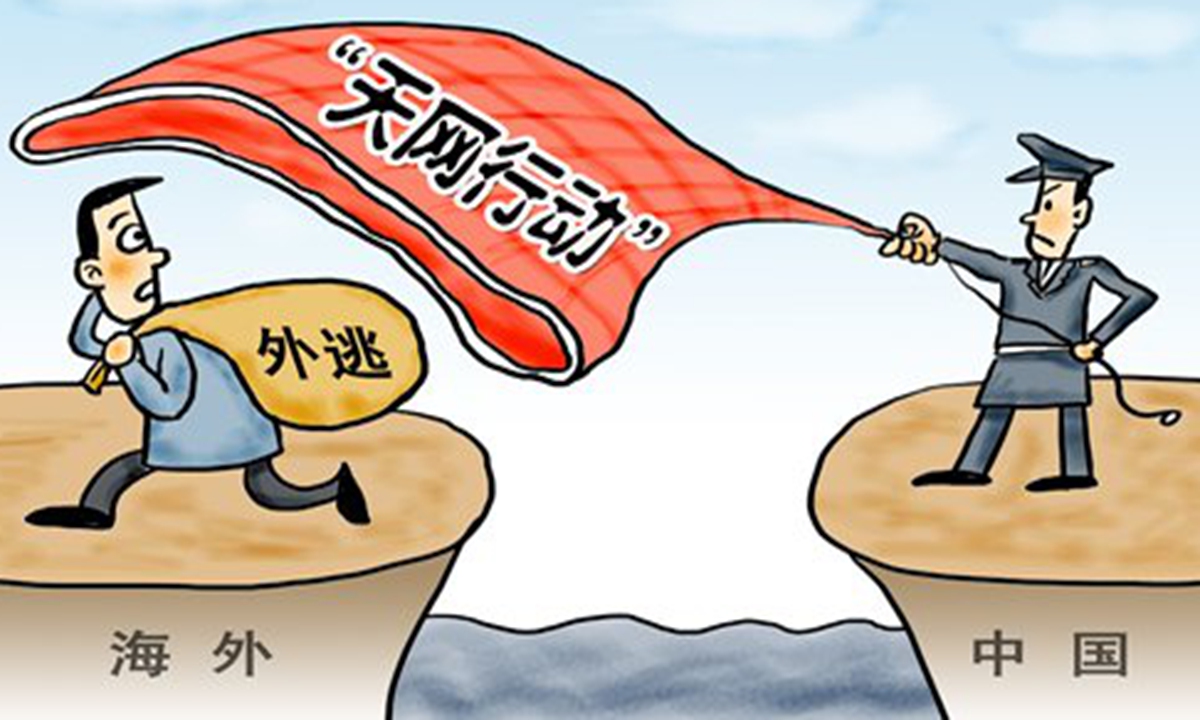
Chinese lawmakers began reviewing a draft law on combating cross-border corruption on Tuesday, a legislation which experts believe would help close legal gaps in investigating overseas corruption, pursuing fugitives and recovering illicit assets, while strengthening international cooperation and corporate compliance.
The draft was submitted for its first reading to the ongoing session of the Standing Committee of the National People's Congress, the country's top legislature, per Xinhua News Agency.
Huo Zhengxin, a professor at the China University of Political Science and Law, told the Global Times that the draft law represents a dedicated piece of legislation within China's anti-corruption legal framework and a major step forward in the country's law-based governance of foreign-related affairs. It will fill a legislative gap in combating cross-border corruption, Huo said.
As Chinese companies expand business overseas, cross-border corruption cases face challenges in obtaining evidence abroad, pursuing fugitives and recovering illicit assets. Existing anti-corruption laws have faced limitations in addressing such cases involving foreign affairs, making such dedicated legislation necessary, Huo said.
Structured into six chapters and 47 articles, the draft sets out the principles, scope and key provisions underpinning China's efforts to combat cross-border corruption. It also defines relevant operational mechanisms and institutional responsibilities, and seeks to strengthen case handling and international cooperation.
The draft further clarifies enterprises' obligations regarding integrity and compliance, and specifies legal liabilities for violations.
As one of the experts involved in drafting the legislation, Huo said a key innovation of the draft is to strengthen international cooperation and corporate integrity and compliance obligations. As evidence, suspects and illicit assets in cross-border corruption cases are often located overseas, the draft provides mechanisms including extradition, mutual legal assistance and repatriation, while aligning with relevant rules under the UN Convention against Corruption (UNCAC), said the expert.
The draft also makes clear that Chinese companies operating overseas, including both state-owned and private enterprises, have legal obligations to uphold integrity and compliance with domestic laws, Huo said.
The legislation would also codify practices accumulated through China's past campaigns against cross-border corruption, such as Sky Net and Fox Hunt operations, turning them into a more systematic legal framework and strengthening the law's deterrent effect, according to Huo.
The draft law is a practical step to regulate the development of cross-border businesses and help build a world-class business environment aligned with market principles, the rule of law and international standards, Xinhua noted.
It is also expected to expand the legal tools available to combat cross-border corruption and help address challenges in detecting corruption, collecting evidence, recovering illicit assets and securing convictions, according to the report.
In January, CCTV News reported on the case of a former senior executive of China National Offshore Oil Corporation, who was accused of accepting large amounts of bribes that were concealed overseas, with a businessman allegedly acting as a "front" to collect the illicit payments.
The draft's explicit corporate integrity and compliance requirements would make it harder for individuals to disguise bribery and other corrupt practices through overseas projects in an attempt to circumvent domestic oversight, while further clarifying the extraterritorial reach of China's anti-corruption laws, Huo said.
The draft also contains provisions to counter the use of foreign countries' domestic anti-corruption laws to exercise "long-arm jurisdiction" over Chinese companies, which Huo described as another important innovation in China's foreign-related legal framework.
China has been deepening its efforts in international anti-corruption cooperation, with 963 corrupt fugitives repatriated to the country in 2025, according to a work report from the country's top anti-graft body, Xinhua reported.
。

B | 张丹丹在《聊一波》节目里公开声称,灵活就是一种“福利”,因此灵活就业者的社会保障就应该低一些,激怒了全网舆论,根本没得洗。那段视频传递出她脱离现实,对灵活就业群体缺乏同情心的强烈信息。老胡尤其惊讶的是,《聊一波》不是直播,而是一档录播节目,也就是说如果张丹丹录制时出现口误的话,她本人或者节目制作方应该有机会纠正问题,避免引发烈度如此高的舆论风暴。然而问题就这样放过去了。人们只能理解为:张丹丹没有觉得这段话有严重不妥;节目编辑者如果不存恶意的话,也不觉得这段话可能给她带来灾难性的声誉打击。老胡查了劳动经济学的有关说法,的确存在补偿性工资差异理论,该模型假设劳动者可以自由选择,用一部分福利保障换取时间上的自由度。但该理论成立有一个前提,即劳动者拥有充分选择权,既可以选择稳定工作,也可以选择自由度更高的灵活就业。然而当下的现实是,大部分劳动者选择灵活就业是被动的。因为现实中正规稳定的岗位不足,很多人才会加入灵活就业大军谋生,而且那个群体中很多人的劳动强度和时间比稳定岗位工作者反而可能更高更多。这种情况下把一个假设理论拿到现实中来,宣扬灵活就业者在享受“福利”,并由此得出他们的社保就该低一些的结论,确实是荒谬的,让公众无法接受。老胡很难相信张丹丹教授作为北大国发院的副院长、博士生导师,区分不了劳动经济学中一个有明显前提的理论模型与我们当下实际情况的区别,我也无法相信她骨子里就是一个“坏人”“冷酷者”,对被动的灵活就业者毫无同情心。

C | 我看了她之前的一些发言,不仅很正常,而且显示她处在为灵活就业者争取权利的一线,比如她为给平台骑手们上社保大声疾呼,并且提出了很多具体建议。

D | 她似乎是中国学界为增加灵活就业群体权益做出最大实际努力的人之一。但她为什么会在节目中说出这番冷漠无情的话呢?老胡百思不得其解。我本人参加过很多视频录制,40分钟至60分钟的节目往往要录两个小时以上。

E | 做点善意的猜测:是否在这个过程中张丹丹讲了上边所说的劳动经济学的假设理论,然后在后期剪辑中没有突出这个理论的假设性,而被当成了张丹丹对现实的一种议论了呢?但如果是这样的话,张丹丹在节目播出之前看样片,应该指出来,要求修改,视频剪辑人也应该意识到这样播出有可能导致爆炸性的舆论事件,但为什么没有阻止呢?莫非张丹丹和节目制作方都不认为如此播出不会有太大问题?他们脱离互联网、脱离群众的程度真的如此严重吗?老胡一般都反对把一个说了错话的人往最坏的情况去想,下最极端的结论。老胡66岁了,我明确说:这个世界上没有那么多极端的坏人。

F | 把一个犯了一般错误的人往罪恶的方向去想,这绝不是好习惯。而且我看了张丹丹之前的各种发言之后,我认为在我们为自己看到的事情骂她的时候,不应该拒绝了解在我们没有看到的时候,她为灵活就业者还做过什么。

G | 然而无论如何,张丹丹说的那段话,特别是一个录播视频将那段话呈现出来的样子,就是挑衅了公众的情感,让无数人感到愤怒,也正是因为那段话的不可接受性太突出了、太强烈了,我感到有点诧异。

H | 所以我建议张丹丹做回应,该说明的说明,该致歉的致歉。

I |
Current article:http://8hpmis.liaoenxingunchuanglou.buzz/iezugkc/en8.html
Published on:08:14:11
疑犯追踪第二季_Random reading
- 08-21商务部:上半年中厄贸易额达98.3亿美元,同比增速超20%
- 08-21恶劣天气送关键单沟通顾客后被美团外卖无故扣款
- 08-20据报道 Horizon 3 目前在 Guerrilla 仅由“小规模团队”负责开发,距离发售仍需数年时间。
- 08-20总冠军还是纽约荣耀?37岁杜兰特,正在面对职业生涯最后选择
- 08-22未来医院将没有围墙?联影智能“元医院”战略发布 落地还须严守三道关
- 08-24iPhone苹果地图广告正式上线:搜索顶部显示推广内容!无法手动关闭
- 08-25【致美樟中】叮!这是一份樟中英语人的2024年度报告,请查收!
- 08-26博主:中国足球小将U11一胜一平,晋级伊斯卡尔杯银组四强
- 08-26吉祥航空:公司实际控制人王均金与王瀚续签了《一致行动协议》
- 08-20Vessel tests begin along China's major river-to-sea Pinglu Canal

海派甜心_Active users
- 足球报:青岛红狮上轮中甲全华班出战,并非足球层面因素
- 龙腾街道齐心协力共建美丽家园
- 海外网深一度:“上合磁力”强劲,有意“入群”国家排起长队_上合组织_中国
- 世界杯不能卖!欧足联强硬宣战!国际足联摊上事了
- 住房城乡建设部:上半年各地新开工建设城市绿道2450公里
- 2019年,第一批游戏版本数字出来:84个,腾讯网易还没有。
- 理论微课堂·学习贯彻习近平党建思想⑤ | 持续推动学习贯彻习近平党建思想走深走实
- 特斯拉人形机器人能搬快递了!FSD年底可全球推送
- 济南大野少年合唱团荣获世界合唱比赛童声合唱组别金奖
- 27岁“美声小歌王”徐杰离世 11岁踢馆封神画面成经典追忆
- 松下推出超薄无线吸尘器:530g,约1500元
- 《巫师3》重制版战网页面开放:最低配置1660、70GB
- 省委理论学习中心组学习会召开
- 吴柳芳一人撑起整个家:母亲患癌症+弟弟小10岁没工作 只能借贷维生
- iOS 27代码显示苹果可对欠款租赁设备启用受限模式
- “福泽江淮·彩惠民生”——铜陵福彩销售员走进枞阳县福利院
- 交通部下月展开活动 就提高巴士安全收集公众反馈
- 伊朗外交部:伊朗将打击任何侵略行为的源头,未向侵略者提供非法行动便利的国家不用担忧
刀马旦_Hottest this week
- 08-24小红书连夜招聘英文内容审核员,要求英语过六级
- 08-24253家门店一次性申报即完成全部备案 连锁品牌外摆可“一站式”审核!
- 08-20वोटिंग की उम्र 18 साल तो फिर लाडो लक्ष्मी योजना में 23 साल क्यों रखीं: अनुराग ढांडा
- 08-20北京体彩开展购大乐透套餐票赠票活动
- 08-25【萌动新程 灵蛇启智】——长沙当代摩码幼儿园2025年春季开学典礼
- 08-24多部门联合开展“安全生产月”集中宣传活动
- 08-21卡福:阿诺德和卡瓦哈尔有些类似,若他加盟对皇马价值极高
- 08-23微博年会吸引了价值11万美元的新浪股票,甚至还不到3只。
- 茜茜公主 copyright
- Some of the content comes from the Internet. If you have any offence, please raise it.